What Is The Best Way To Keep A Luxury Mattress Cool In Summer?
Warm sleepers do not need a gadget. The right combination of materials, bedding and room habits keeps even a deep, densely filled mattress comfortable through July.
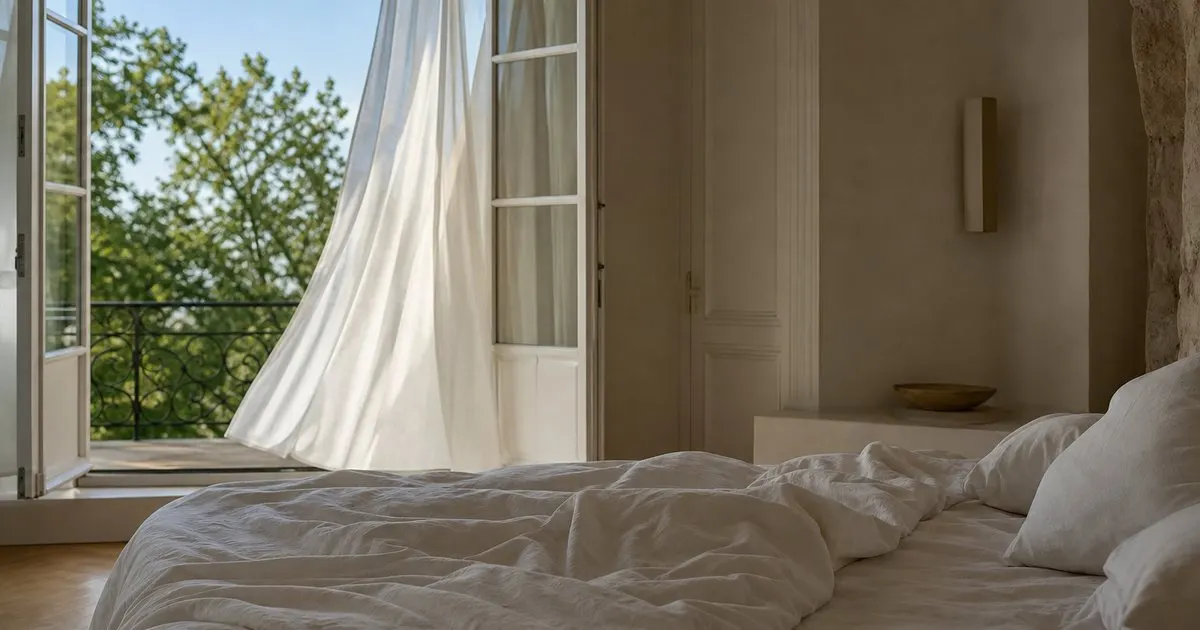
Why some expensive beds sleep warm
Heat at night is rarely the mattress alone. It is the combination of a body that radiates warmth, a surface that either absorbs or dissipates it, and layers of bedding that decide whether moisture can escape. Dense synthetic foams are the usual culprits because they store heat and slow airflow, and some luxury models still use a layer of them near the surface for that plush, enveloping feel. A thick quilted panel with polyester batting adds to the problem, as does a waterproof protector that seals the surface like a raincoat. Related: How Do You Choose A Luxury Mattress That Lasts For Decades?
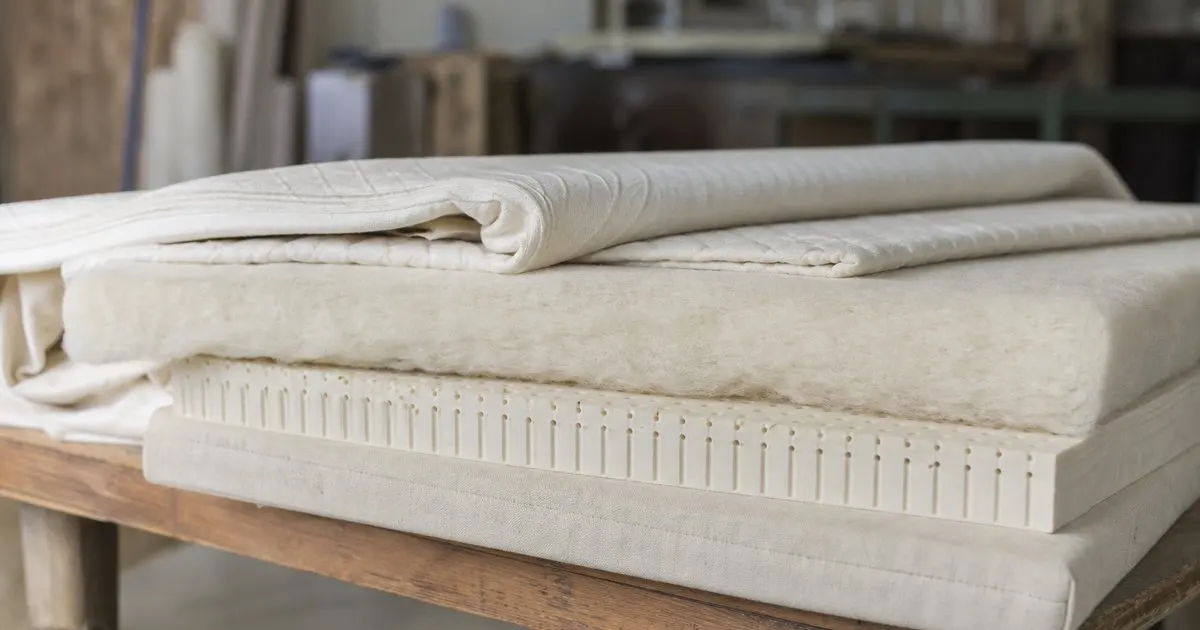
Well built natural mattresses tend to behave better. Wool absorbs moisture vapor and releases it, horsehair and coir create open channels for air, and a coil unit is essentially a ventilated cavity. Natural latex is more open than memory foam but is still a solid layer, so latex heavy beds with a thick foam comfort section can run warm for some people. Knowing which layer is closest to your body, and what it is made of, tells you more about summer comfort than any cooling claim on a label.
Keep reading: How Do You Choose A Luxury Mattress That Lasts For Decades?, What Separates A Truly Handcrafted Mattress From A Mass Produced One?, Which Natural Materials Matter Most When Investing In A Premium Bed?. See how Slumbrvo helps you a refined guide to the world's finest mattresses.
Choose constructions that breathe
If you are still shopping, prioritize a breathable surface over a cool touch marketing story. Look for a wool or cotton quilted top rather than a foam quilt, a comfort section built from natural fiber pads or ventilated latex, and a coil core beneath. Two sided mattresses offer an additional advantage: many makers build a summer side and a winter side, one with a cooler cotton or linen finish and one with a warmer wool loft, so that flipping the mattress at the change of season is part of the design. Related: Which Natural Materials Matter Most When Investing In A Premium Bed?
Consider the cover fabric too. A viscose, linen or cotton damask ticking will feel cooler than a heavy polyester knit, and a ticking that is tufted rather than glued allows air to move between layers. Ask the retailer whether the model uses any adhesive between layers. Some glued constructions form a barrier that traps warmth, and a hand assembled mattress where the layers are stitched or tufted together often runs noticeably cooler.
Dress the bed for the season
The bedding you put on top can undo or rescue any mattress. Start with the protector. Replace a plastic backed waterproof protector with a breathable wool or cotton one for the summer months, keeping the waterproof version only if you truly need it. Choose sheets in linen, percale cotton or a lightweight bamboo derived fabric rather than sateen or microfiber, and skip the mattress pad with polyester fill. A thin wool mattress pad sounds counterintuitive but often sleeps cooler than a synthetic one because it wicks moisture away from the skin. Related: What Separates A Truly Handcrafted Mattress From A Mass Produced One?
Then rethink the top layer. A lightweight cotton or linen coverlet, or a summer weight wool or silk duvet, allows heat to escape while still giving the pleasant weight most sleepers want. Store the winter duvet in a breathable bag until the temperature drops. Change sheets more often in hot weather, because a sheet saturated with a week of night time perspiration insulates far more than a fresh one, and strip the bed back to the mattress for an hour on bright mornings to let the whole surface air. Related: Why Does Proper Mattress Firmness Change The Way You Actually Sleep?
Manage the room, not just the bed
Experienced sleepers and sleep clinicians tend to agree that a cooler bedroom makes more difference than any single product. Close blinds during the hottest part of the day, open windows on opposite sides of the house in the evening to draw a breeze through, and use a ceiling or floor fan to move air across the bed. Moving air evaporates the moisture on your skin and on the surface of the sheets, which is where most of the perceived heat lives. If you have air conditioning, setting it a degree or two lower for the first hour of sleep and letting it rise later usually keeps you cool when it matters most.
A few habits help the mattress itself. Leave the bed unmade for a while each morning, lift the mattress edge periodically to let the underside breathe, and make sure the base is ventilated rather than a sealed deck. If after all this you still overheat, a topper of ventilated natural latex or a thick wool layer will change the surface feel without the expense of a new mattress. Active cooling systems exist for those who want them, but a well ventilated natural bed and disciplined room habits solve the problem for most people.
- Heat comes from the layers closest to your body, so learn what the top comfort section and the quilt are made of.
- Wool, cotton, horsehair and a coil core breathe; dense foam near the surface and plastic backed protectors trap warmth.
- Swap to a breathable protector, linen or percale sheets and a summer weight duvet before buying any device.
- A cooler room with moving air matters more than any mattress feature, so manage blinds, windows and fans.

Julien Jimenez
Julien Jimenez is an independent software builder based in Paris. He designs, ships, and operates focused SaaS products for small businesses and independent professionals. Read the full author page.
Rest Built To Last A Lifetime
A refined guide to the world's finest mattresses. Slumbrvo is built to help you put this into practice.
Find your mattressMore from the Slumbrvo blog
How Do You Choose A Luxury Mattress That Lasts For Decades?
Which Natural Materials Matter Most When Investing In A Premium Bed?
Get the complete luxury mattresses guide
Our full buying guide, the price guide, and new research as we publish it. One email, no spam, unsubscribe any time.